Intuition: Untitled I
2017
Interactive sound installation인터랙티브 사운드 설치
- sensors
- speakers
- electric paint
- hanji (traditional Korean paper)
- copper
- electric wires
- 센서
- 스피커
- 전도성 도료
- 한지
- 구리
- 전선
Iceland's moss and wind carried into hanji, electric paint, and field recordings; a responsive installation.아이슬란드의 이끼와 바람을 한지와 전기 페인트, 현장 녹음으로 옮긴 반응하는 설치.
About the work작품 설명
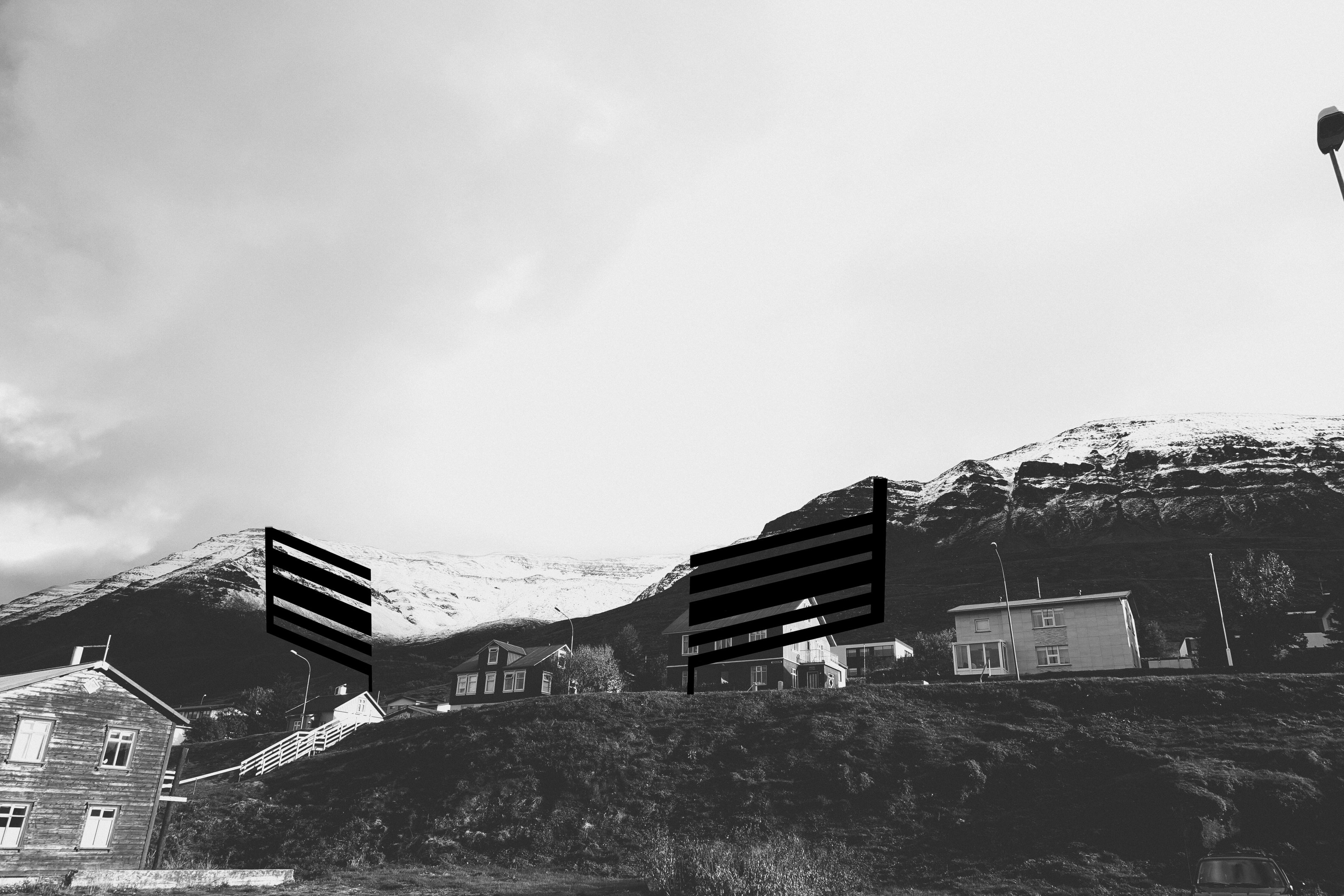
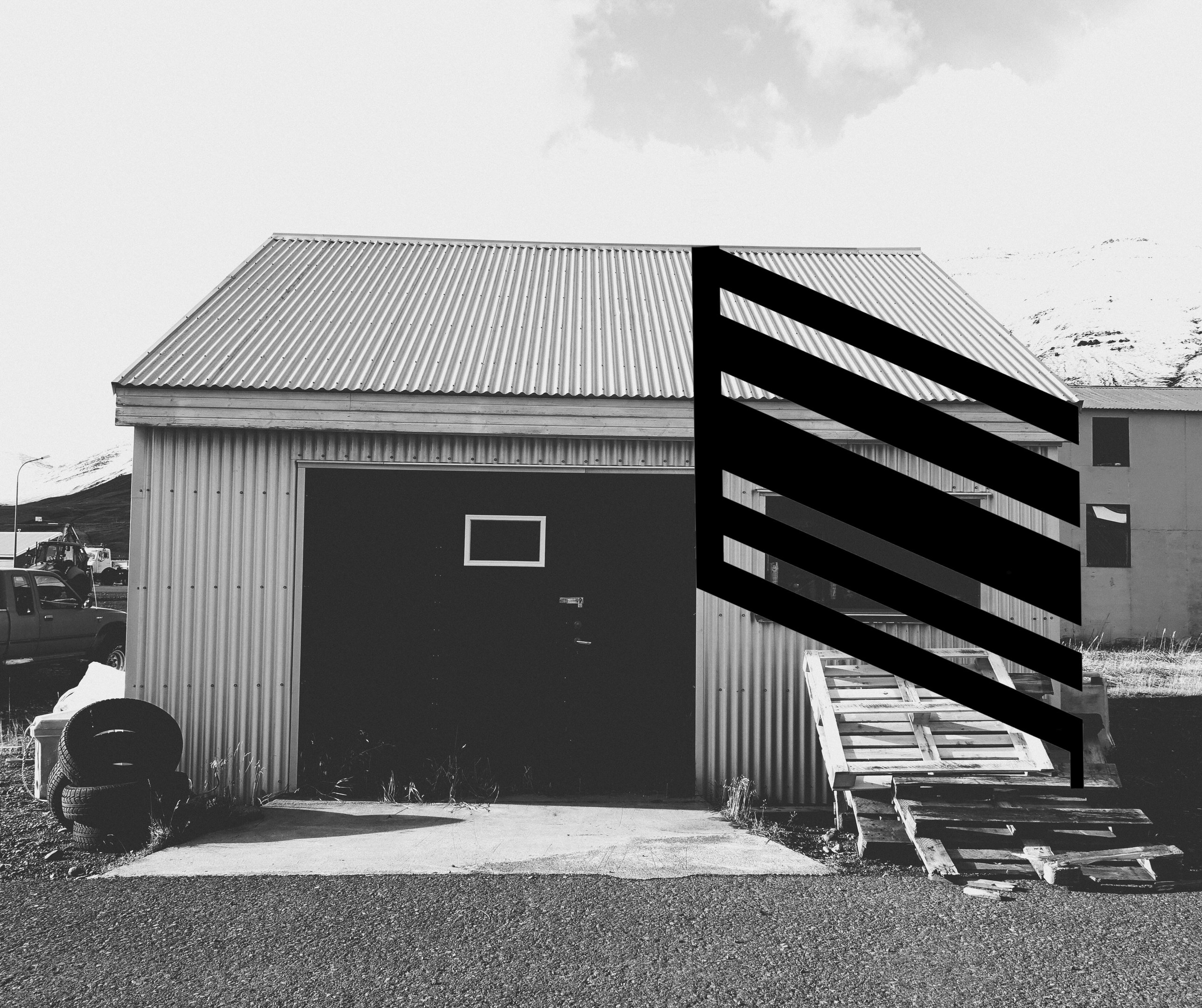
Intuition: Untitled I and Intuition: Untitled II were developed during a residency at Listhús in Ólafsfjörður, Iceland. Intuition: Untitled I began with an encounter with Iceland’s almost treeless volcanic terrain. Moss spread across stone in slow, densely woven patterns, while wind, water, and open air formed a field of sound. The work takes these tactile and sonic impressions not as scenery to reproduce, but as traces of a landscape felt through the body.
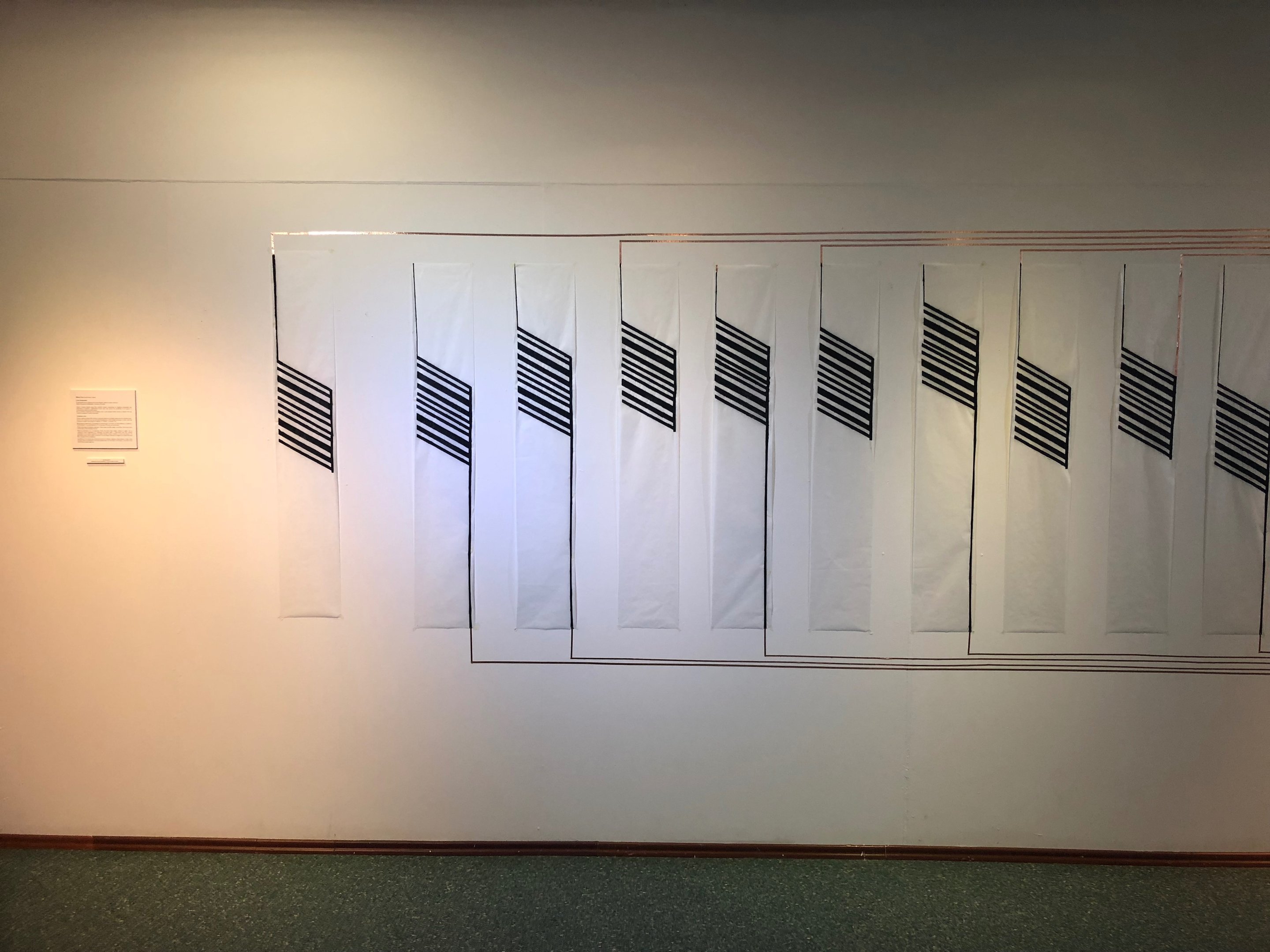
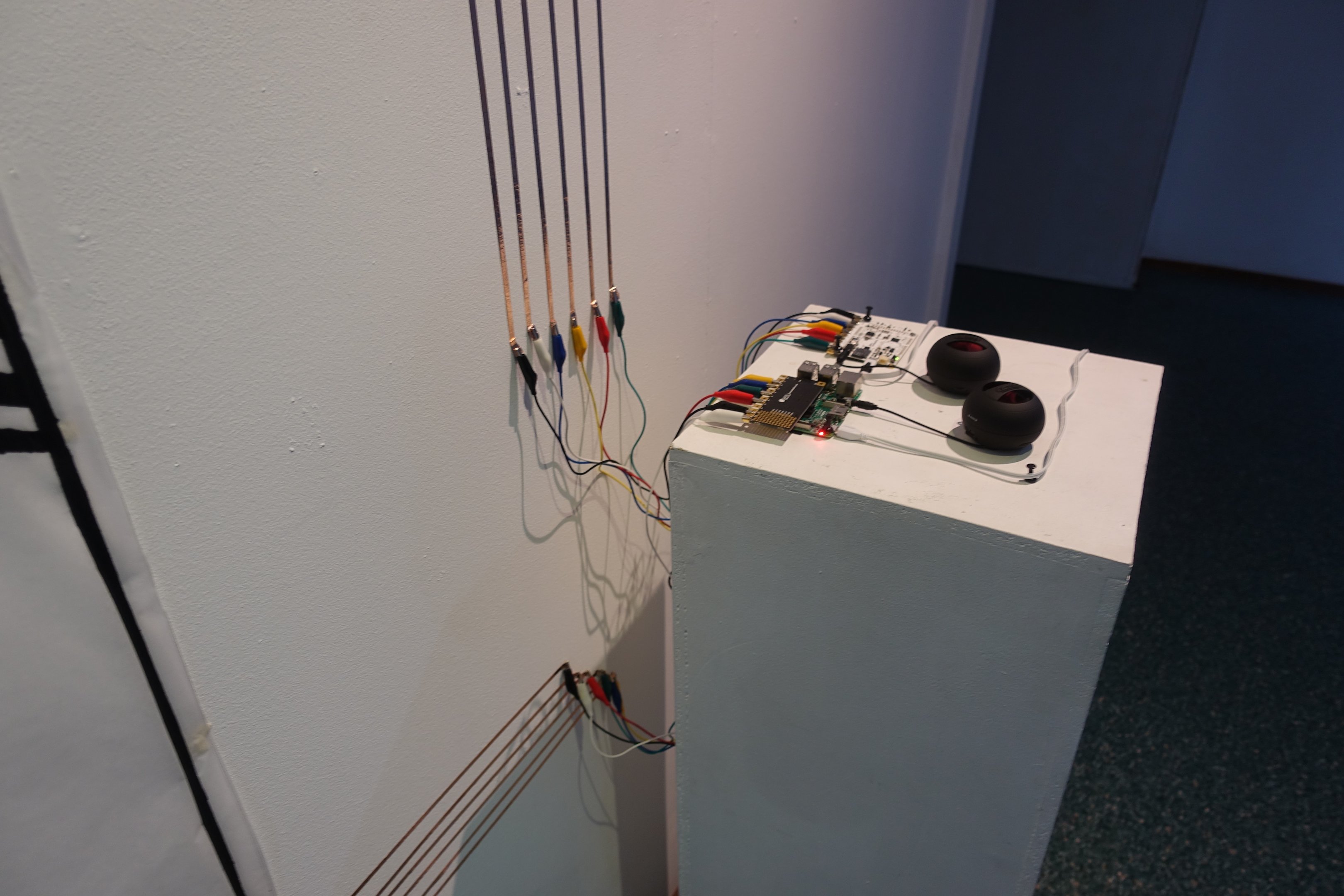
Electric paint is applied to hanji, traditional Korean paper, to form a series of responsive shapes. Hanji’s distinctive texture was chosen as a material means of carrying the sensation of touching nature into the installation. Connected to Arduino and Raspberry Pi, the conductive paint turns each form into a sensor sensitive to touch and proximity. Field recordings made in Iceland become part of Hwanyun’s composition; when a viewer’s hand moves across the surface, movement and distance activate sound. Rather than replaying the place as the artist experienced it, the work responds to the visitor’s touch, inviting a renewed sensing of its quiet density.
〈Intuition: Untitled I〉과 〈Intuition: Untitled II〉는 아이슬란드 올라프스피외르뒤르의 Listhús 레지던시 기간에 제작되었다. 그중 〈Intuition: Untitled I〉는 나무가 거의 없는 화산 지형과의 만남에서 시작되었다. 돌 위로 이끼는 천천히, 촘촘한 패턴을 이루며 번져 있었고, 바람과 물, 열린 공기는 하나의 사운드 필드를 만들었다. 이 작업은 그 풍경을 재현하기보다, 손으로 만지고 몸으로 감지한 자연의 촉각적·청각적 인상을 작품의 출발점으로 삼는다.
전도성 수성 페인트인 전기 페인트는 전통 한지 위에 적용되어 반응하는 형상을 만들고, Arduino와 Raspberry Pi에 연결되어 터치와 근접에 민감한 센서로 작동한다. 한지 특유의 질감은 자연을 만지는 감각을 작품 속으로 전달하기 위해 선택한 물질적 수단이다. 아이슬란드에서 직접 채집한 사운드는 작가의 작곡 안으로 들어오며, 관객의 손이 표면 위를 움직일 때 거리와 움직임에 따라 활성화된다. 작품은 작가가 느낀 그곳을 다시 들려주는 대신, 관객의 손끝에 반응하며 그곳의 조용한 밀도를 새롭게 감각하게 한다.
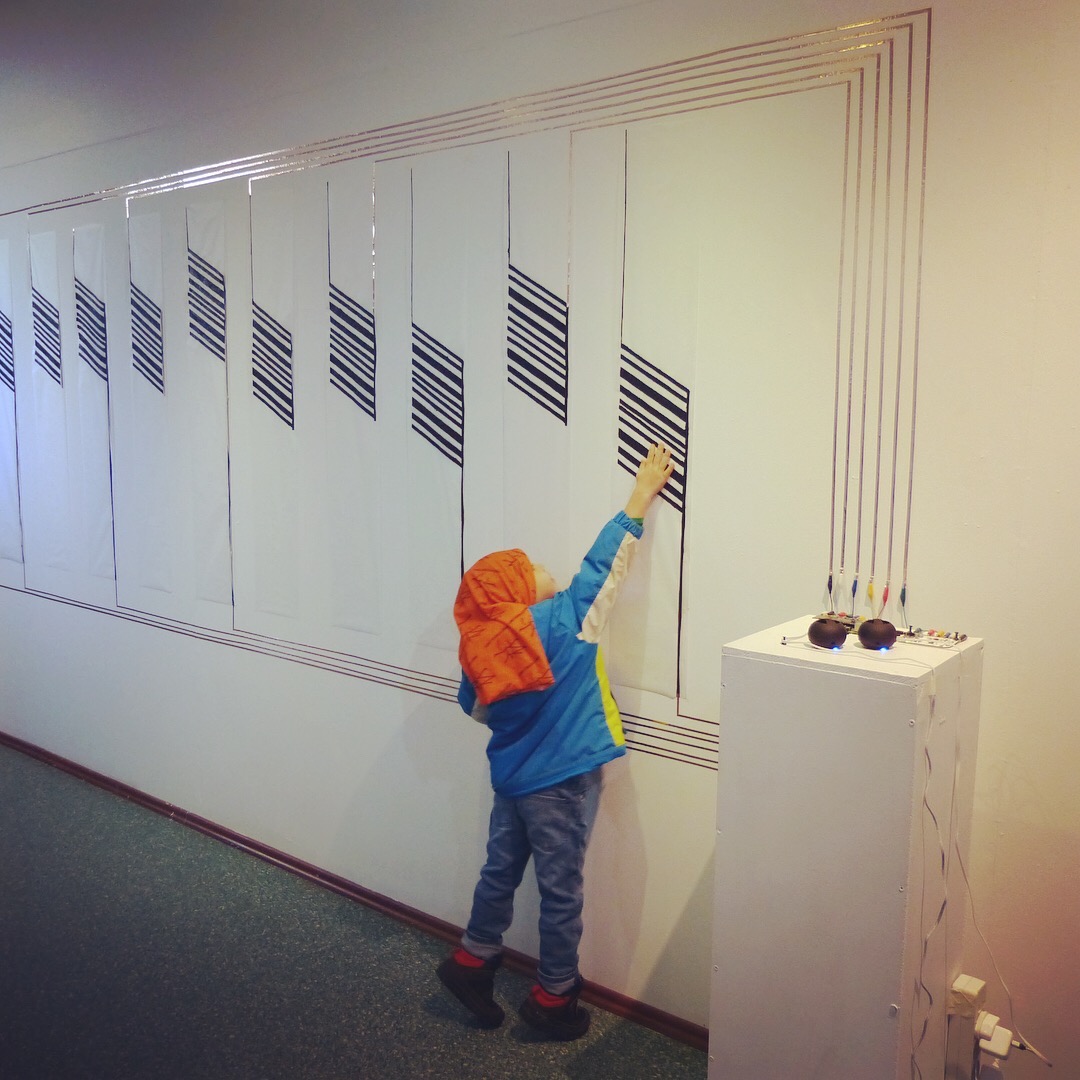
Touch · Hand and sound접촉 · 손과 소리
Electric paint on hanji forms a series of responsive shapes. Connected to Arduino and Raspberry Pi, the conductive paint turns each form into a sensor sensitive to touch and proximity. Field recordings made in Iceland are part of the composition; when a viewer's hand moves across the surface, movement and distance activate sound. The work does not replay the place as the artist experienced it — it responds to the visitor's touch.
한지 위의 전기 페인트가 반응하는 형상을 이룬다. Arduino와 Raspberry Pi에 연결된 전도성 도료는 각 형상을 터치와 근접에 민감한 센서로 만든다. 아이슬란드에서 채집한 소리는 관객의 손이 표면 위를 움직일 때 거리와 움직임에 따라 활성화된다. 작품은 그곳을 다시 들려주는 대신 손끝에 반응한다.
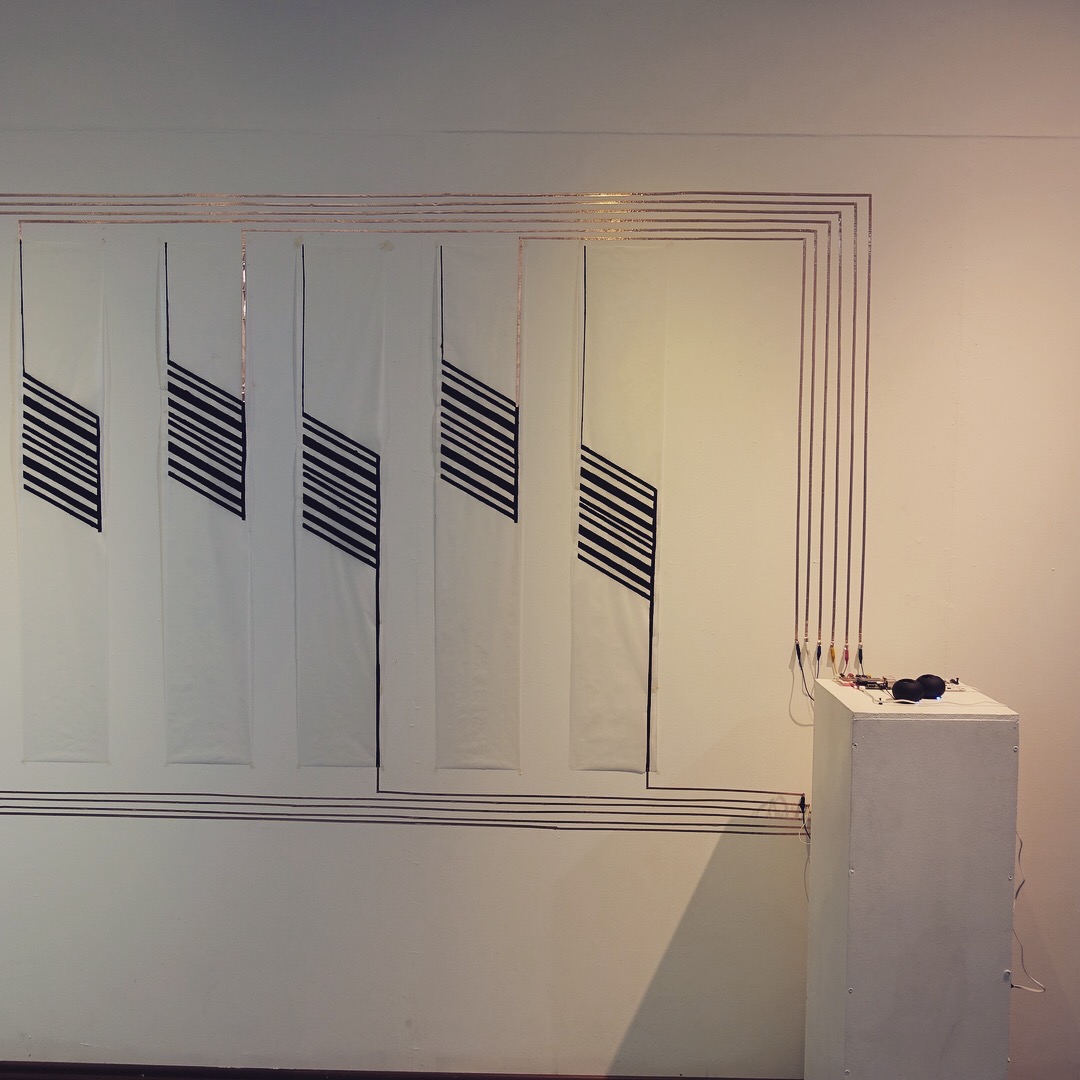
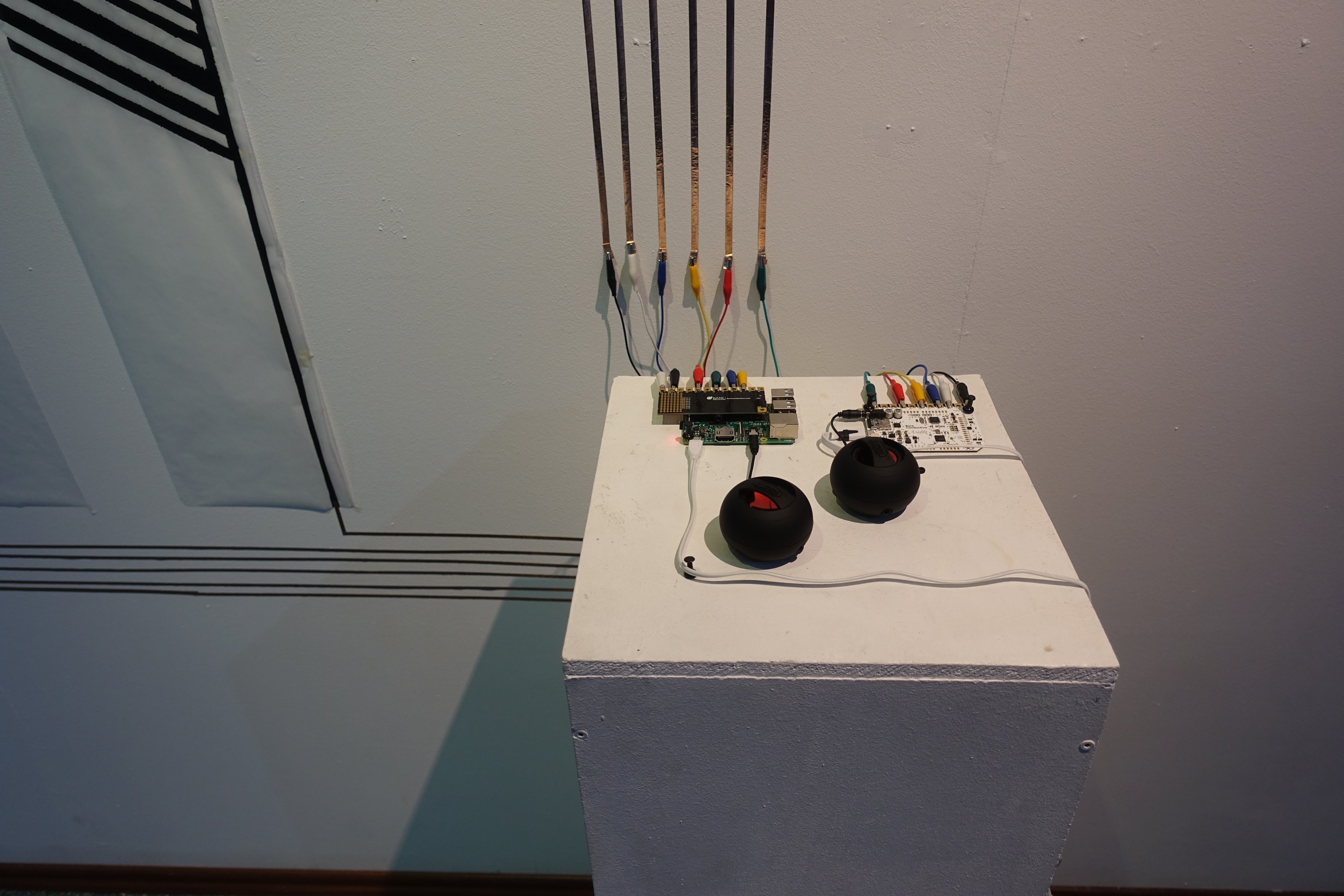
Circuit · Conductive paint and copper장치 · 전도성 도료와 구리
Copper strips run from each panel along the wall to the pedestal, where the boards sit with the speakers. The materials are electric paint, hanji, sensors, copper, electric wires and speakers; the conductive paint is connected to Arduino and Raspberry Pi. Hanji's distinctive texture was chosen as a material means of carrying the sensation of touching nature into the installation.
구리 띠가 각 패널에서 벽을 따라 받침대까지 이어지고, 그 위에 보드와 스피커가 놓인다. 재료는 전도성 도료, 한지, 센서, 구리, 전선, 스피커이며, 전도성 도료는 Arduino와 Raspberry Pi에 연결된다. 한지 특유의 질감은 자연을 만지는 감각을 작품 속으로 전달하기 위해 선택한 물질적 수단이다.
Origin · Ólafsfjörður출발점 · 올라프스피외르뒤르
The work began with an encounter with Iceland's almost treeless volcanic terrain during the Listhús residency in Ólafsfjörður. Moss spread across stone in slow, densely woven patterns, while wind, water, and open air formed a field of sound. These tactile and sonic impressions are taken not as scenery to reproduce, but as traces of a landscape felt through the body.
작업은 올라프스피외르뒤르 Listhús 레지던시에서 나무가 거의 없는 화산 지형과 만나며 시작되었다. 돌 위로 이끼는 천천히, 촘촘한 패턴을 이루며 번져 있었고, 바람과 물, 열린 공기는 하나의 사운드 필드를 만들었다. 그 촉각적·청각적 인상은 재현할 풍경이 아니라 몸으로 감지한 풍경의 흔적으로 삼는다.
- Supported by후원
-

- Sound사운드
- Further reading읽을거리
- Archive아카이브 2
-
Record photographs기록 사진
-
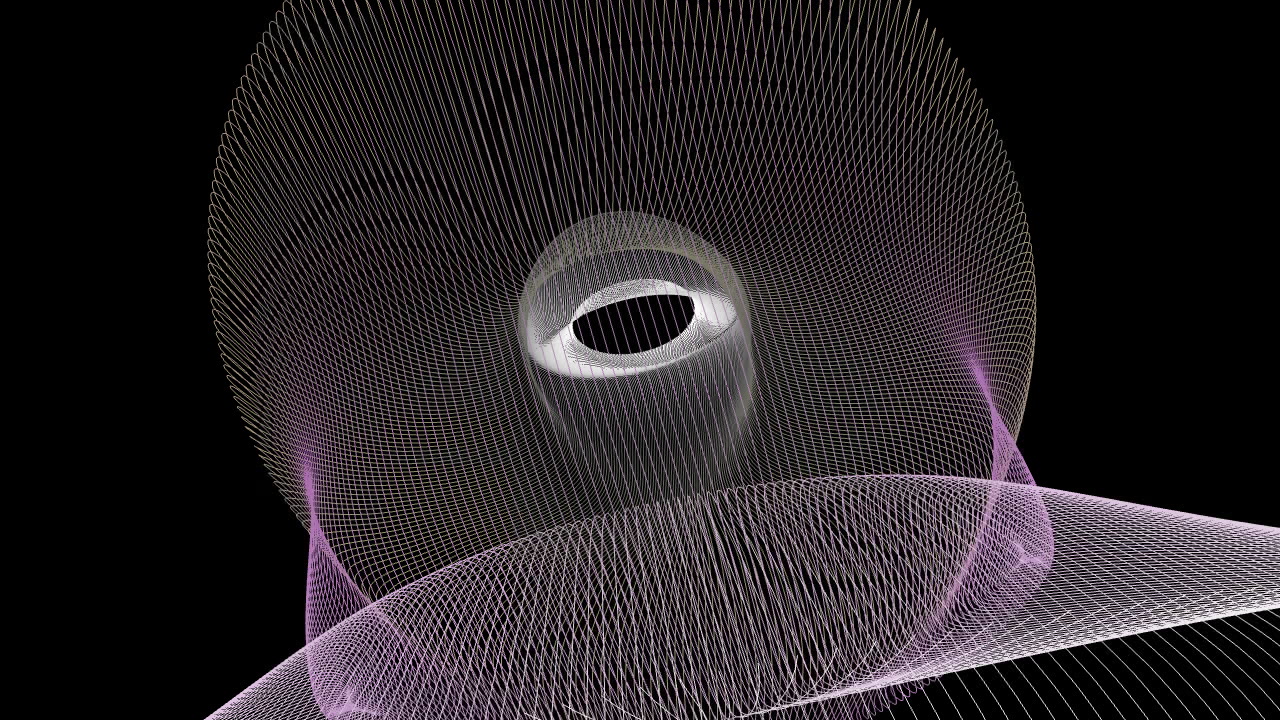 Atypical Circuit비정형의 회로 Interactive · Sensor · Speaker인터랙티브 · 센서 · 스피커
-
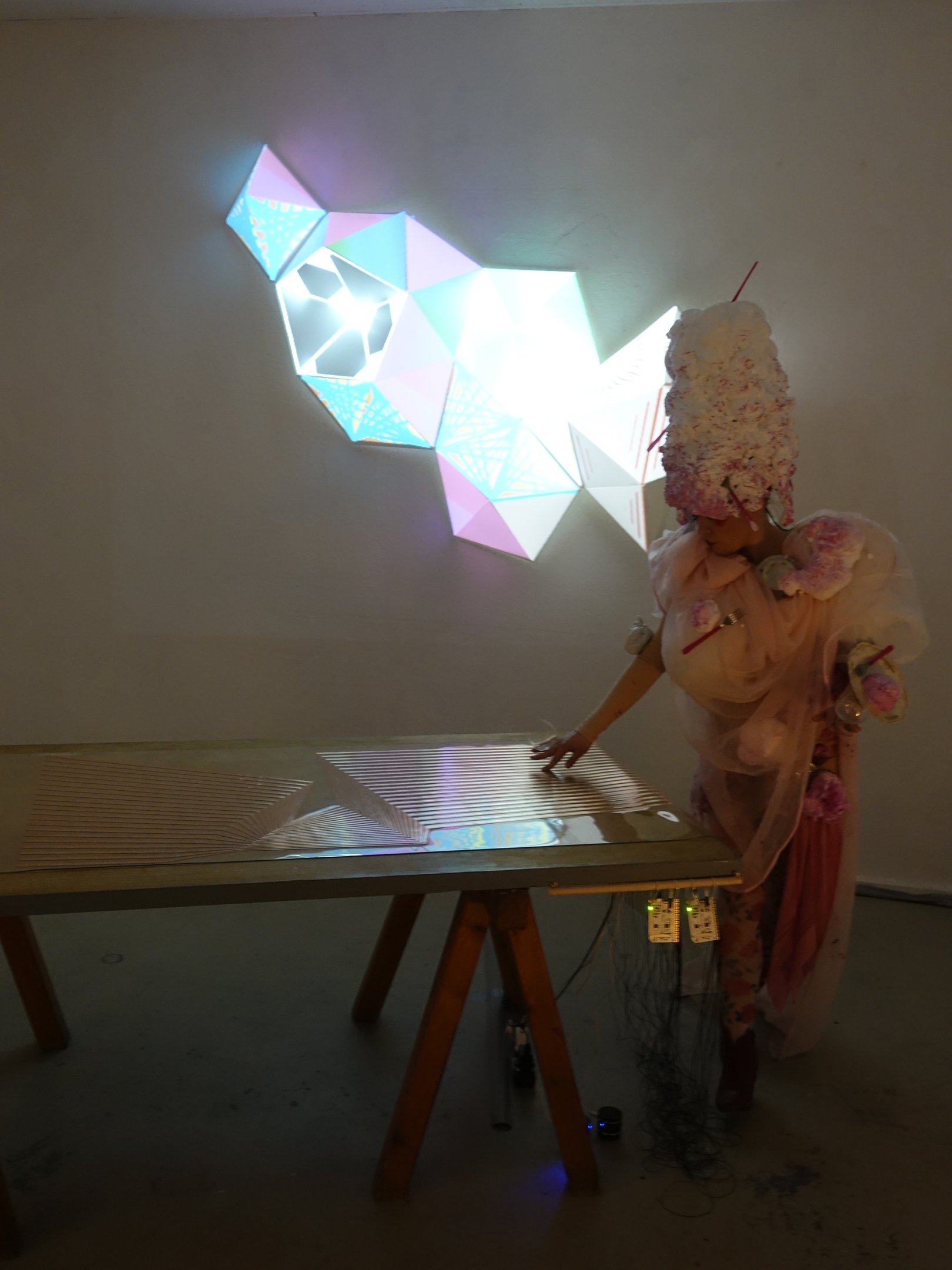 Three Pieces: Untitled I Interactive · Copper · Sensor인터랙티브 · 구리 · 센서
-
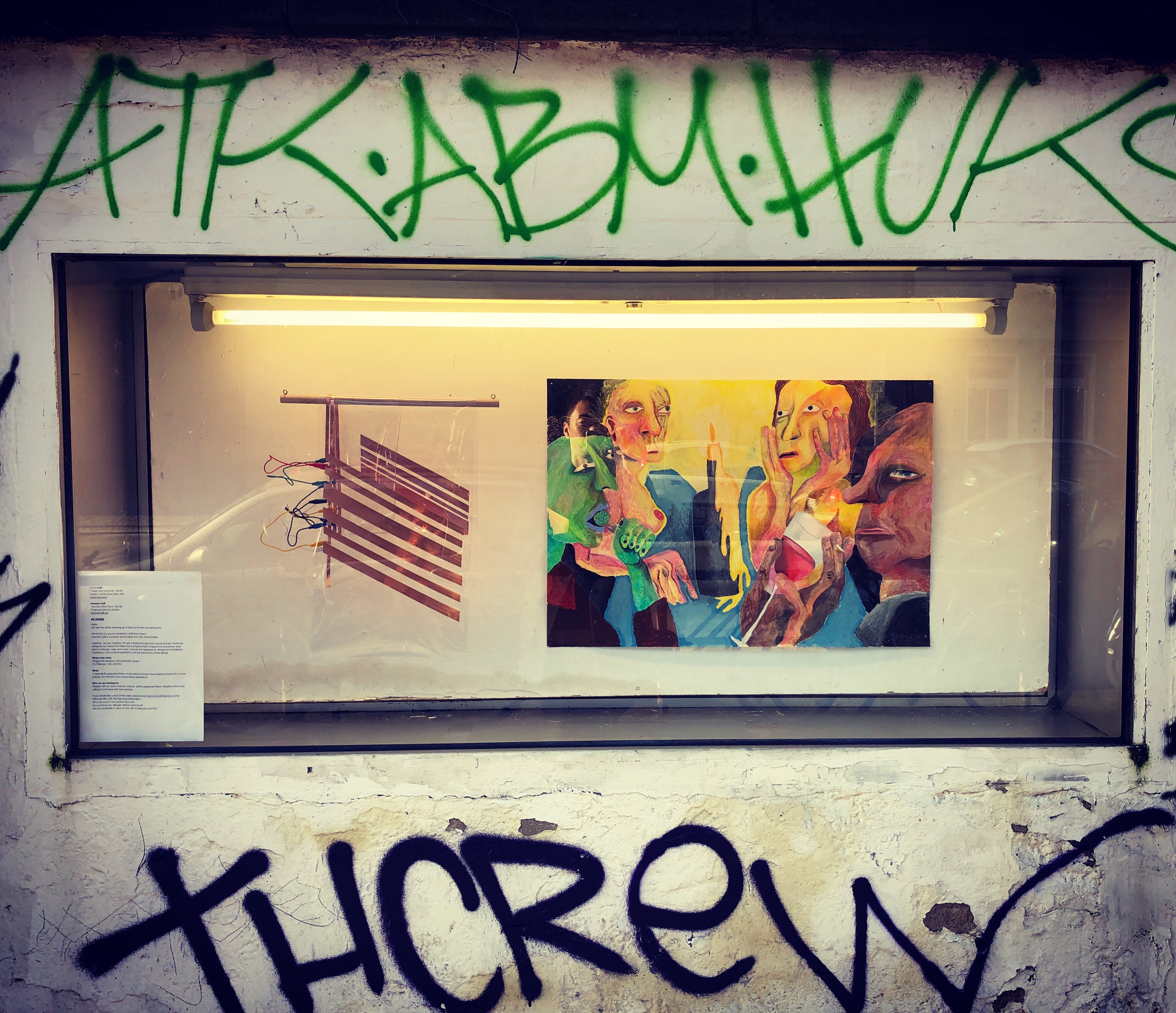 WE'VE OPENED Interactive · Copper · Conductive paint & tape인터랙티브 · 구리 · 전도성 도료·테이프
-
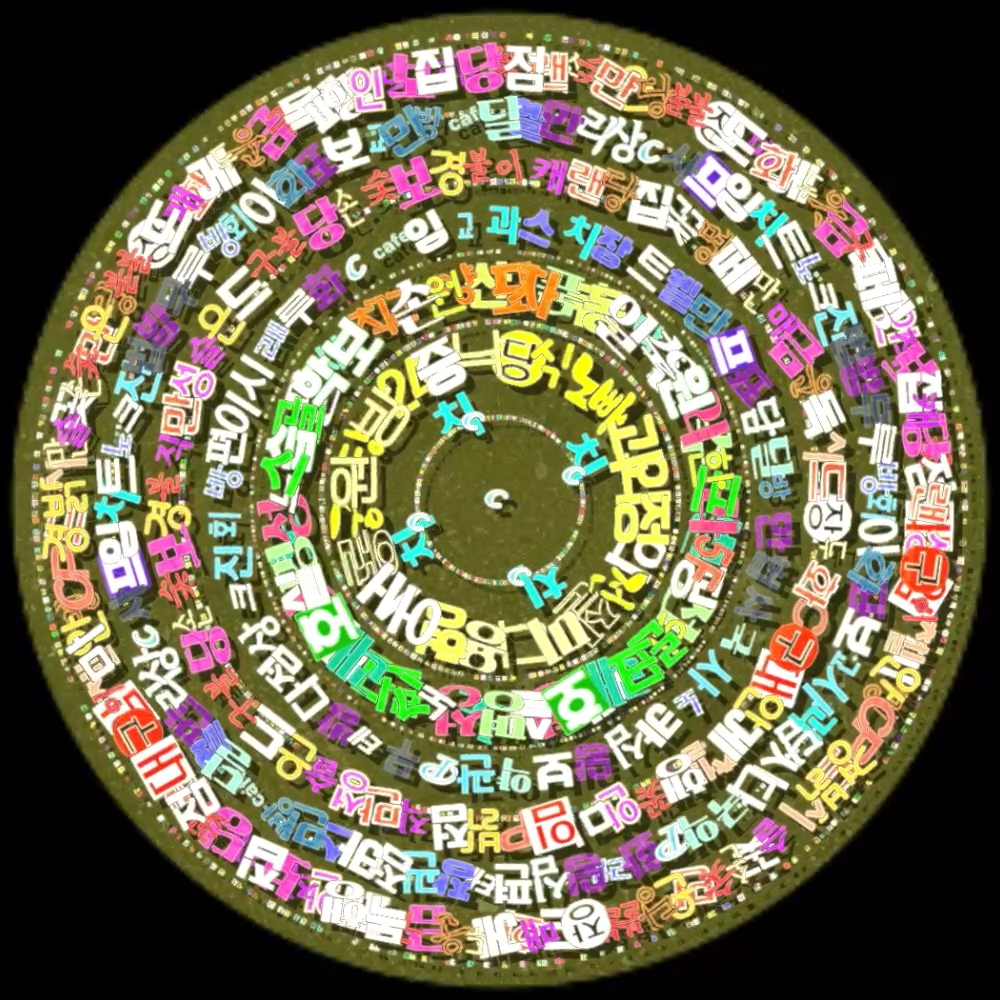 Mujae (無諸)무제 (無諸) Interactive · Sensor인터랙티브 · 센서
-
 Coexistence공존 Interactive · Sensor인터랙티브 · 센서
-
 Conductive Circles Interactive · Copper인터랙티브 · 구리